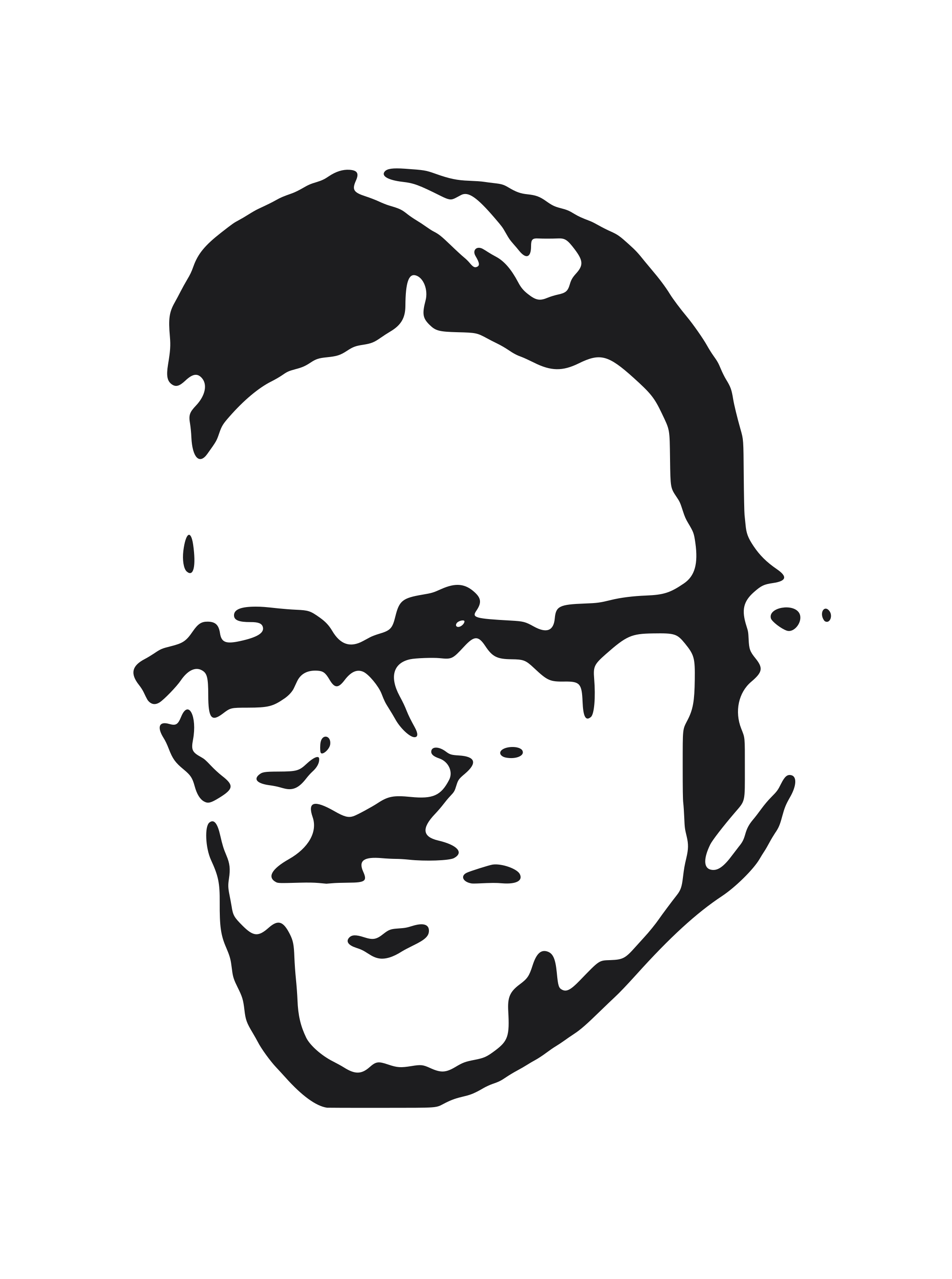
Henry Nowak was 18. On December 3, 2025 he was walking home alone in Southampton, England, after a night out celebrating with his football team. A man stabbed him. When police arrived, the man who did it told them a story, and the officers believed it. Henry told them he had been stabbed. He was arrested and handcuffed. He died that night.
You can read that much anywhere. I wrote a song about it called Before They Look Around, and the more I read, the more I noticed every report stops at the same place. This page starts there. These are the questions I had after the standard account, and the answers I could find, each with where it came from and when.
That someone looks at the wound before they look around.
The short version
- The killer, Vickrum Digwa, 22, was convicted of murder on May 28, 2026 and given life. The Court of Appeal raised his minimum term from 21 years to 25 on November 5, 2026.
- Henry was in handcuffs for somewhere between one and three minutes, depending on which record you read. The stab wound to his chest was not found until about eight minutes after officers arrived.
- The police watchdog told the family in April 2026 that it had no concerns about the officers. Three months later, after the body camera footage was public, it served two officers with gross misconduct notices.
- A pathologist told the court the wound could not have been survived no matter how fast help came. That has not been tested at the inquest, which is set for September 2027 with a jury.
- There is no public inquiry. There is a government review, announced October 26, 2026, with a first report due by March 2027.
How long was he in handcuffs before anyone helped him?
There are two answers on the record and they do not match.
The sentencing judge said on June 1, 2026 that Henry was cuffed "for about a minute" before he got worse and officers started CPR. A transcript released by prosecutors, reported by LBC on June 24, 2026, puts the cuffs coming off and CPR starting at about three minutes.
The number most people remember is eight minutes. That is not time in handcuffs. It is roughly how long it took, from the officers arriving, for anyone to find the wound in his chest. It was found during CPR.
So the plain sequence, as best the public record shows it: officers arrive, he is arrested and cuffed, he collapses within one to three minutes, CPR starts, and the wound is found at about eight minutes.
Why did they believe the other man?
Digwa told officers Henry had punched him and used a racial slur, and that nobody had been stabbed. The judge found that account was false. Before police arrived, Digwa's brother had told the emergency call operator no weapons were involved, and Digwa had his mother take the knife away. She was later jailed for three years.
The judge's explanation for the officers was this. It was dark. Henry wore a dark top that hid the chest wound. He had a cut on his face that was visible but minor. And handcuffed people sometimes fake being hurt. He said the officers "honestly believed that there were reasonable grounds" and had been given "a convincing but wholly false narrative."
That is one judge's view at a sentencing hearing, and the officers were not on trial. Whether anything else shaped who got believed is an open question. The watchdog said on July 1, 2026 that it is examining whether race, religion or community tensions affected decisions that night, and how differently the two families were treated.
What did he actually say to them?
Body camera footage was played at the trial. The family saw it there for the first time. A few minutes of it were released with their consent on June 2, 2026.
As reported by ITV News, Henry said, "I've been stabbed." An officer answered, "I don't think you have, mate." Henry said, "Please, brother. I can't breathe."
Would he have lived if they had treated him right away?
The court was told no. The judge, repeating the pathologist's evidence, said "he would not have survived, however quickly he received first aid, CPR or expert medical treatment."
Two things about that. First, it was said at a sentencing, to decide the killer's punishment. It is not a finding by an inquest, which is the proceeding whose job is to work out how a person came to die. That comes in September 2027.
Second, it does not settle the question people are really asking. Even if the wound could not be survived, a young man spent some of his last minutes awake, in handcuffs, telling the people sent to help him that he could not breathe, and being told he was wrong. Whether he could have been saved and how he was treated are two separate questions. The second one does not depend on the first.
Are police even trained to deal with a stab wound?
In England and Wales, yes, on paper. The College of Policing announced a first aid program on November 23, 2023, to be in force by the end of April 2025. It gives officers 12 hours of first aid training to start and six hours every year after, and it covers catastrophic bleeding and a ten second check of a casualty.
That was in force months before December 2025. What I could not find is any public guidance on the exact situation here: an injured person who is also under arrest and in restraints. If such guidance exists, it is not somewhere a member of the public can read it.
What has happened to the officers?
Four officers attended. On April 10, 2026 the Independent Office for Police Conduct wrote to the family that there were "no concerns identified" about what the officers did. On June 2, 2026 it said the officers were being treated as witnesses.
On July 1, 2026 it served gross misconduct notices on the two officers who arrived first, and widened its investigation to cover how the control room handled the calls. A notice is not a finding. The watchdog's own words were that it does "not necessarily mean that disciplinary proceedings will follow."
The watchdog first aimed to finish in September 2026. As of late October 2026 it was expected to finish early in 2027. No misconduct hearing date has been published.
The force said sorry. For what, exactly?
There have been three apologies, and they are not the same.
On May 28, 2026, the day of the verdict, a deputy chief constable said, "I am sorry that Henry couldn't be saved that night." That is sorrow about an outcome.
In early June 2026 the chief constable apologized in an interview. I could not get the exact wording.
In reporting dated November 2, 2026, the chief constable was quoted saying, "when he needed us most, we failed him." That is the first one that names a failure.
The family's view, in the same reporting, came from his stepmother: "we have been failed multiple times." The family also says the force first described Henry as the aggressor in a social media post and a draft press release.
Who decides what happens next, and when?
Four separate things are running, and they answer different questions.
- The watchdog investigation decides whether any officer should face a disciplinary hearing. Expected early 2027.
- The government review, led by Alex Chalk KC, was announced October 26, 2026. Phase one reports by March 2027. Phase two waits for the watchdog. The family's response to the announcement was, "At last, some positive news."
- The inquest decides how Henry came to die. It was adjourned on June 4, 2026 to September 2027. It will sit with a jury, and it will look at the role of the state, not only the killer.
- A statutory public inquiry, the kind with power to compel witnesses, can only be ordered by a government minister. None has been ordered and none has been refused. A petition asking for one, started June 8, 2026, had more than 20,000 signatures when I checked.
The family asked, in words read out in Parliament on June 2, 2026, for a "full, fearless and transparent investigation." My song says open to us all. Those are close, but the family's words are theirs and the lyric is mine.
What I could not find out
- The times of the emergency calls and the time police arrived. Without those, nobody outside the investigation can check the minute counts above.
- Whether the family is bringing a civil claim.
- What the first aid guidance says about a casualty in handcuffs.
- The exact words of the father's statement outside court.
- The current status of all four officers.
If you know something that belongs here, tell me below and I will check it and add it.
Why I wrote a song about it
What stayed with me is small. A person said the truest and most urgent thing he could say, and it lost to a story told first by someone calmer. That can happen anywhere, to anyone, in any uniform or none. The fix the song asks for is also small. Check the person in front of you before you decide who he is.
The song is on my music page. It is called Before They Look Around.
Sources
- Judiciary of England and Wales, Jun 1, 2026: sentencing remarks, R v Digwa
- UK Government, Jun 2, 2026: Home Secretary statement on Henry Nowak
- Independent Office for Police Conduct, Jun 2, 2026: statement on the investigation
- Independent Office for Police Conduct, Jul 1, 2026: misconduct notices and wider scope
- LBC, Jun 24, 2026: the longer transcript of the police response
- ITV News via STV, Nov 2, 2026: the family on how they were treated
- The Independent via Yahoo, May 28, 2026: police apologise after the verdict
- BBC South via Yahoo, Oct 27, 2026: why the case is still unresolved
- UK Government, Oct 26, 2026: independent review announced
- IBTimes UK, Nov 6, 2026: Court of Appeal raises the minimum term
- College of Policing, Nov 23, 2023: police first aid training bolstered
- Coroners and Justice Act 2009, section 7: when an inquest needs a jury
- Inquiries Act 2005, section 1: who can order a public inquiry
- Petition for a statutory public inquiry, started Jun 8, 2026
Everything here is as reported by these sources on the dates shown. The sentencing remarks are the only document quoted directly from the original; other quotes are as carried by the outlets named. Proceedings are still open, so a notice or an allegation is not a finding. Last checked November 15, 2026.
Updates to this story (1)
- Nov 15, 2026: First published.
Was this helpful?
Take part
Keep reading
Ask a question or add what you know
Ask me anything about this case. If it deserves digging, I will research it and add the answer to this story.